Same-day shipping || Free shipping on orders over $250.00

Pure Peptides Canada: Your Complete Guide to Research-Grade Quality

If you’ve searched for pure peptides Canada, you already know that peptide quality varies dramatically between suppliers. Research-grade peptides must meet strict purity standards to produce reliable, reproducible results — and in Canada, finding a trusted domestic source matters more than ever.

This guide covers everything you need to know about peptide purity, how it’s measured, what to look for in a Canadian peptide supplier, and why cutting corners on quality undermines your research outcomes.

What Does “Pure Peptides” Actually Mean?

Peptide purity refers to the percentage of the desired peptide compound in a sample relative to all other substances present. A peptide with 99% purity contains 99% of the target compound and 1% of impurities — which can include truncated sequences, oxidized variants, residual solvents, or synthesis by-products.

For research applications, purity directly affects the validity of your results. Using a peptide with lower purity means you can’t be certain whether observed effects are from your target compound or from contaminants. This is why serious researchers only source peptides verified at 98% purity or higher.

How Peptide Purity Is Measured

Reputable peptide suppliers use two primary analytical methods to verify and document purity:

HPLC (High-Performance Liquid Chromatography)

HPLC separates compounds in a peptide sample and quantifies each component. The result is expressed as a percentage area under the curve for your target peptide. This is the gold standard for measuring peptide purity and should appear on every legitimate Certificate of Analysis (CoA).

Mass Spectrometry (MS)

Mass spectrometry confirms the molecular identity of a peptide by measuring its mass-to-charge ratio. This verifies that the compound is what it claims to be — not a similar sequence or degradation product. HPLC + MS together provide the most complete purity and identity verification available.

Why Sourcing Pure Peptides in Canada Matters

Canadian researchers face specific challenges when sourcing peptides from international suppliers:

  • Customs and shipping delays can degrade temperature-sensitive lyophilized peptides before they arrive.
  • Import restrictions on research compounds have become increasingly strict, creating uncertainty about whether shipments will clear.
  • No domestic recourse if a foreign supplier sends substandard product — disputes across borders are difficult and slow.
  • Cold chain integrity cannot be guaranteed over long international shipping routes.

A Canadian-based supplier ships domestically, maintains proper cold-chain handling throughout, and is accountable under Canadian consumer protection standards.

What to Look For in a Canadian Peptide Supplier

Before ordering from any supplier of pure peptides in Canada, verify the following:

Third-Party Certificates of Analysis

Every batch should have a CoA from an independent laboratory — not just an internal quality check. The CoA should show HPLC purity percentage and mass spec confirmation. If a supplier can’t provide this, don’t order.

Minimum 98–99% Purity

Research-grade peptides should consistently test at 98% purity or higher. Some compounds require 99%+ for sensitive assays. Be skeptical of suppliers who don’t state a minimum purity standard.

Proper Storage and Shipping Practices

Lyophilized peptides are stable at room temperature for short transit, but should be kept cool. Reconstituted peptides must be shipped with ice packs. Ask about packaging and cold-chain policies before purchasing.

Transparent Sourcing and Manufacturing

Reputable suppliers can tell you where their peptides are synthesized and what GMP (Good Manufacturing Practice) standards their manufacturing facilities follow. Opacity on this question is a red flag.

Popular Pure Peptides Available in Canada

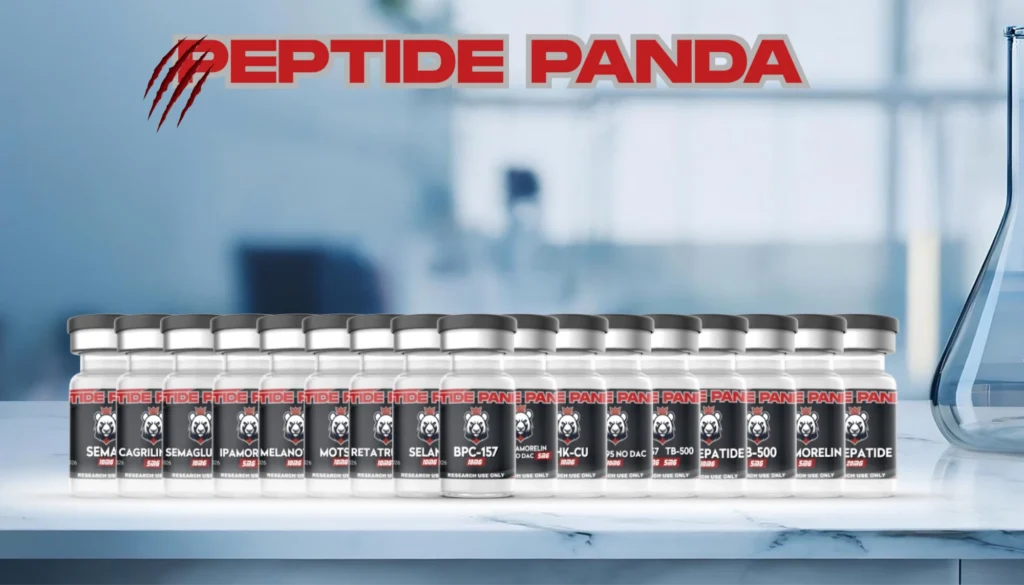
At Panda Peptide, we stock a full range of research-grade peptides for Canadian researchers, all verified at 99%+ purity with third-party CoA documentation:

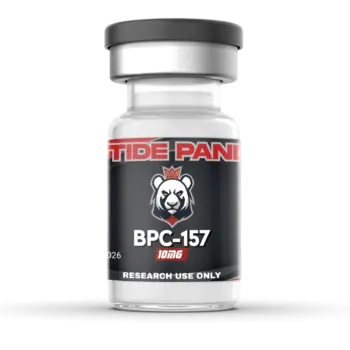
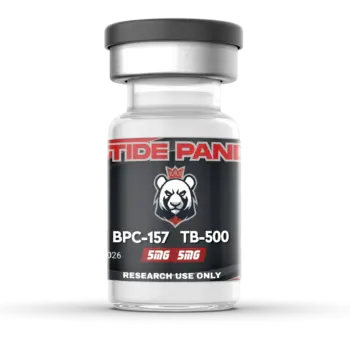
  • BPC-157 — Body Protection Compound, studied for tissue regeneration and gut health
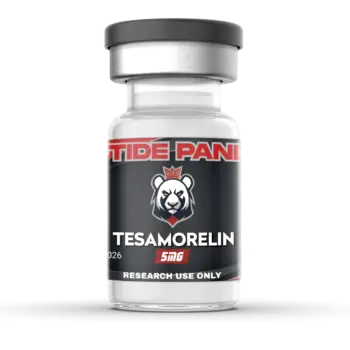
  • Tesamorelin — GHRH analogue studied for growth hormone regulation and body composition
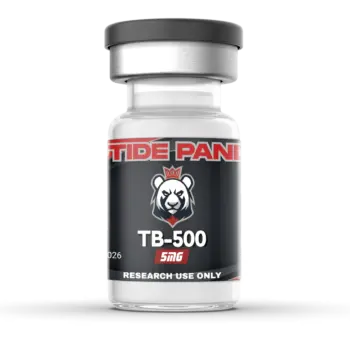
  • TB-500 — Thymosin Beta-4 fragment, researched for tissue repair and anti-inflammatory properties
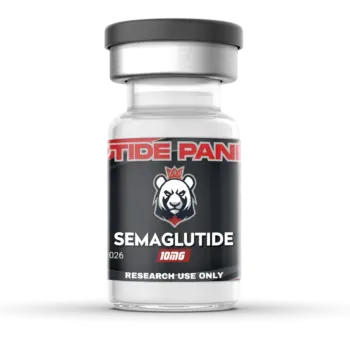
  • Semaglutide — GLP-1 receptor agonist studied for metabolic research
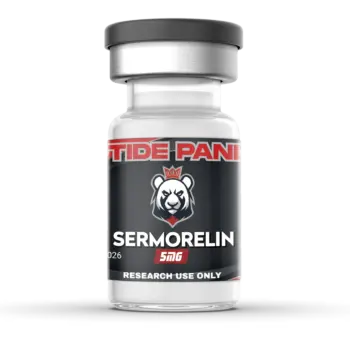
  • Sermorelin — GHRH fragment studied for growth hormone secretion
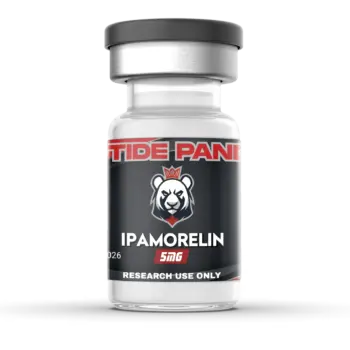
  • Ipamorelin — Selective GH secretagogue, one of the most researched GHRP compounds

Understanding Peptide Degradation and Storage

Even starting with a 99% pure peptide, improper storage can rapidly degrade quality. Here are the storage fundamentals every researcher should follow:

  • Lyophilized (freeze-dried) peptides: Store at -20°C for long-term; 4°C for up to 4–6 weeks. Keep desiccated and away from light.
  • Reconstituted peptides: Store at 4°C and use within 14–28 days depending on the compound. Do not refreeze after reconstitution.
  • Avoid contamination: Always use sterile bacteriostatic water for reconstitution and handle with clean technique to prevent microbial contamination.

Panda Peptide’s Quality Commitment

Every peptide we sell is manufactured to meet or exceed research-grade purity standards. Our quality assurance process includes:

  • Third-party HPLC testing with documented purity percentages
  • Mass spectrometry confirmation of molecular identity for each batch
  • Secure, temperature-controlled packaging for all shipments
  • Fast domestic Canadian shipping with no customs uncertainty
  • Certificate of Analysis available for every batch upon request

We ship exclusively within Canada, ensuring your peptides arrive quickly, intact, and at the purity level your research demands.

Frequently Asked Questions About Pure Peptides Canada

Are peptides legal to purchase in Canada?

Research-grade peptides are legal to purchase in Canada for laboratory research purposes. They are not approved for human consumption and must be handled in accordance with applicable research regulations.

What is the difference between research-grade and pharmaceutical-grade peptides?

Pharmaceutical-grade peptides are manufactured under GMP conditions for clinical use in humans. Research-grade peptides meet stringent purity standards (typically 98–99%+) but are intended for laboratory research, not therapeutic use.

How do I know a peptide CoA is legitimate?

A legitimate CoA should come from an identifiable third-party laboratory (not the supplier themselves), include the specific batch number, show the HPLC chromatogram or purity percentage, and include mass spec data confirming molecular weight.

Does Panda Peptide ship cold?

All orders are packaged with appropriate thermal protection. Lyophilized peptides are stable for domestic Canadian shipping at ambient temperatures in proper packaging. Cold pack shipping is available for reconstituted products and during summer months.

Ready to source? Browse our full catalogue of pure peptides Canada researchers rely on — every vial is HPLC-verified to ≥99% purity and ships within 1–3 business days anywhere in Canada.

Note: All peptides sold by Panda Peptide are for research purposes only. They are not intended for human consumption, diagnosis, treatment, or prevention of any disease.

Leave a Reply

Your email address will not be published. Required fields are marked *

Quality Control
🚚 Same Day Shipping
🔒 100% Secure Checkout
Interac e-Transfer  |  Crypto  |  PayPal