


Our research team brings expertise in biochemistry and peptide science. All content is grounded in peer-reviewed literature. About our team →
Knowing how to reconstitute peptides is one of the most important skills for any peptide researcher. This guide covers everything you need to know about how to reconstitute peptides safely and effectively, from equipment and solvents to storage temperatures.
- What You Need
- Reconstitution Steps
- Calculating Your Concentration
- Storage Guidelines
- Common Reconstitution Mistakes to Avoid
- Safety Precautions for Laboratory Use
- How to Reconstitute Peptides — Complete Step-by-Step Guide
- How to Reconstitute Peptides — Key Supplies Needed
- How to Reconstitute Peptides — Storage After Mixing
- How to Reconstitute Peptides — FAQ for Canadian Researchers
Lyophilised (freeze-dried) research peptides Canada must be reconstituted — dissolved in a suitable solvent — before they can be used in laboratory applications. Proper reconstitution technique is essential: incorrect procedure can degrade the peptide, affect its activity, or introduce contamination into your research. This guide covers the complete reconstitution process used in professional laboratory settings.
All products at Panda Peptide Canada are supplied as lyophilised powders in sterile, sealed vials. This guide applies to standard water-soluble research peptides including BPC-157, Semaglutide, Tirzepatide, TB-500, GHK-Cu, Ipamorelin, and CJC-1295.
What You Need
- Your peptide vial (lyophilised, from Panda Peptide)
- Bacteriostatic Water (BAC water) — sterile water with 0.9% benzyl alcohol; the preferred solvent for most research peptides as it inhibits microbial growth
- Insulin syringes (U-100, 1mL) — for precise volume measurement
- Alcohol swabs — for sterilising vial tops
- A clean, sterile workspace
- Calculator — or use the free Panda Peptide Calculator
Reconstitution Steps
Step 1: Prepare Your Workspace
Wipe your work surface with 70% isopropyl alcohol. Wash hands thoroughly or use sterile gloves. Ensure vials and syringes are at room temperature before beginning.
Step 2: Sterilise Vial Tops
Wipe the rubber septum (top) of both the peptide vial and the bacteriostatic water vial with a fresh alcohol swab. Allow to air-dry for 30 seconds — do not blow dry, as this can introduce contaminants.
Step 3: Draw Up Bacteriostatic Water
Determine how much BAC water to add based on your desired concentration (see calculation section below). Using a fresh insulin syringe, draw the calculated volume of bacteriostatic water from the BAC water vial.
Step 4: Inject the BAC Water — Slowly
Insert the needle into the centre of the peptide vial’s rubber septum at a slight angle. Direct the stream of water down the side of the vial, not directly onto the lyophilised powder. This minimises foaming and peptide degradation from excessive agitation.
Step 5: Do Not Shake
After injecting the water, DO NOT shake the vial. Vigorous shaking denatures peptides. Instead, gently swirl the vial in a circular motion, or allow it to dissolve on its own over 2–5 minutes. For stubborn powders, rolling the vial between your palms generates enough gentle mixing.
Step 6: Visually Inspect
The reconstituted solution should be clear, colourless (or very slightly yellow for some peptides), and free of particles. If you see cloudiness, precipitate, or unusual colour, the peptide may have degraded. Consult our Peptide Solubility Guide before proceeding.
Step 7: Label and Store
Immediately label the vial with: peptide name, concentration (e.g., 1mg/mL), reconstitution date, and your initials. Store refrigerated at 2–8°C.
Calculating Your Concentration
The most common research concentration is 1mg/mL, which makes dose calculations straightforward.
Formula: Volume of BAC water (mL) = Amount of peptide (mg) ÷ Desired concentration (mg/mL)
- 5mg peptide at 1mg/mL → add 5mL BAC water
- 5mg peptide at 0.5mg/mL → add 10mL BAC water
- 10mg peptide at 2mg/mL → add 5mL BAC water
- 10mg peptide at 1mg/mL → add 10mL BAC water
Use the free Panda Peptide Calculator to quickly calculate volumes for any concentration.
Storage Guidelines
Lyophilised peptides (before reconstitution):
- Short-term (up to 3 months): refrigerator at 2–8°C
- Long-term (up to 24 months): freezer at -20°C
- Protect from light — store in a dark location or use amber vials
Reconstituted peptides:
- Refrigerator at 2–8°C: stable for approximately 4 weeks with bacteriostatic water
- Do NOT freeze reconstituted peptides — freeze-thaw cycles damage the peptide structure
- Always use within the recommended window to ensure integrity
Common Reconstitution Mistakes to Avoid
Injecting water directly onto the powder — This causes foaming and can degrade the peptide. Always direct the stream down the side of the vial.
Shaking the vial — Vigorous agitation denatures peptides. Always use gentle swirling motions only.
Using regular sterile water for multi-use vials — Without benzyl alcohol, the solution becomes a growth medium for bacteria within hours. Always use bacteriostatic water.
Not labelling the vial — Unlabelled vials are a major source of research error. Always label immediately after reconstitution.
Safety Precautions for Laboratory Use
All products from Panda Peptide are research chemicals for in-vitro and preclinical laboratory use only. They are not approved for human or animal administration.
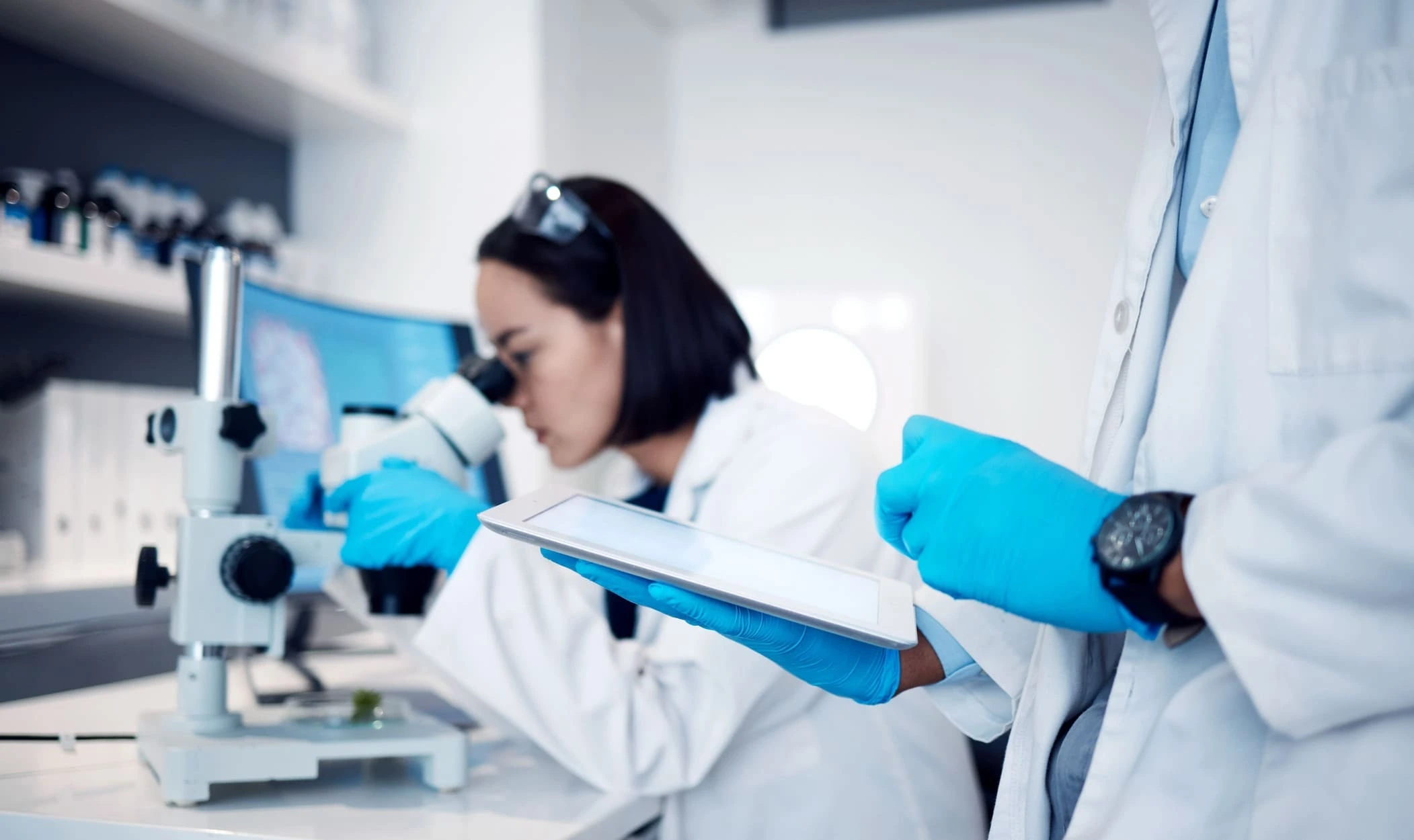
- Use appropriate PPE (gloves, lab coat, eye protection)
- Dispose of used needles in a sharps container
- Keep peptides away from minors and non-laboratory personnel
- Maintain a research log for all compounds used
- Review the Certificate of Analysis (COA) before use — included with every Panda Peptide order
All Panda Peptide products are supplied as research chemicals for laboratory use only.
🔬 Source your research peptides from Canada: Bacteriostatic Water, BPC-157, TB-500, Semaglutide, Tirzepatide, and more — available at Panda Peptide.
Researchers who buy research peptides Canada for reconstitution experiments require compounds with verified purity and consistent lyophilisation quality. All research peptides Canada from Panda Peptide is provided as a lyophilised powder with HPLC documentation confirming ≥99% purity. Researchers working with pure peptides Canada-wide will find this documentation essential for validating reconstitution outcomes. Proper reconstitution of research peptides Canada begins with selecting the correct solvent based on peptide polarity — a step that Panda Peptide’s technical team can assist with for every research peptides Canada order.
Research Peptides Canada: Where to Buy Verified Research Compounds
Panda Peptide is Canada’s most trusted supplier of research-grade research peptides Canada. When researchers buy research peptides canada from Panda Peptide, every vial ships with a third-party HPLC certificate of analysis confirming ≥99% purity — the highest standard available for preclinical research. research peptides Canada from Panda Peptide is lyophilised for maximum shelf stability and cold-pack shipped for same-day dispatch, typically arriving within 1–3 business days anywhere in Canada.
For any researcher looking to buy research peptides canada with full confidence in quality and documentation, Panda Peptide provides consistent batch purity, tamper-evident packaging, and Canadian-based customer support. All research peptides Canada supplied by Panda Peptide is manufactured in cGMP-compliant facilities and independently verified before dispatch — ensuring every order meets the rigorous standards required for reliable in-vitro and preclinical laboratory work.
Research References: Peptide Stability & Storage Research | Bacteriostatic Water & Peptides (PubMed)
About the Author
Dr. Alex Rivera is a Canadian peptide research specialist and founder of Panda Peptide. With deep expertise in research-grade peptides and in-vitro laboratory compounds, Ardavan is committed to supplying licensed Canadian researchers with the highest-purity peptides on the market. View all articles by Dr. Alex Rivera.

How to Reconstitute Peptides — Complete Step-by-Step Guide
Learning how to reconstitute peptides correctly is the foundation of any peptide research protocol. When you reconstitute peptides, you dissolve the lyophilised powder in bacteriostatic water (BW) to create a stable solution. A PubMed study on peptide stability confirms that proper reconstitution significantly extends shelf life and preserves bioactivity.
How to Reconstitute Peptides — Key Supplies Needed
Before you learn how to reconstitute peptides, gather: bacteriostatic water, an alcohol swab, a 1 mL insulin syringe, and your lyophilised peptide vial. The key to mastering how to reconstitute peptides is adding the BW slowly along the vial wall — never inject directly onto the peptide cake. Use our peptide calculator to determine the exact volume needed, and shop all your research compounds at our peptide store.
How to Reconstitute Peptides — Storage After Mixing
Once you know how to reconstitute peptides, proper storage is equally critical. Reconstituted peptides should be refrigerated at 2–8°C and used within 28 days. Always label your vial with the date you performed the reconstitution. Researchers who follow best practices for how to reconstitute peptides report far more consistent experimental outcomes.
Mastering how to reconstitute peptides is essential for every peptide researcher. Whether you are working with BPC-157, TB-500, or any other compound, the reconstitution process is the same: add bacteriostatic water slowly, swirl gently (never shake), and store correctly. Trust Panda Peptide as your source for pre-lyophilised peptides ready for reconstitution. Explore our peptide solubility guide for more tips.
How to Reconstitute Peptides — FAQ for Canadian Researchers
Q: What water should I use when I reconstitute peptides? A: Always use bacteriostatic water — never tap or distilled water — when you reconstitute peptides for research. Q: How long does it take to reconstitute peptides? A: Allow 5–10 minutes of gentle swirling. Q: Can I freeze reconstituted peptides? A: Yes, freeze at −20°C for longer storage. Understanding how to reconstitute peptides correctly gives your research the best chance of reproducible results.
Now that you know how to reconstitute peptides, browse Canada’s best-stocked research peptide catalogue at Panda Peptide. Every vial is lyophilised and ready for your reconstitution protocol.
📚 Research References
- Galyean R & Regnier F. “Peptide reconstitution best practices.” J Chromatogr A. 1999;849:83.
- Peptide storage guidelines. Methods Enzymol. 1987;153:321. PMID:3126776
All peptides sold by Panda Peptide are strictly for in vitro laboratory research only. Not for human or animal consumption. Educational content only — not medical advice. See our Terms of Service and Refund Policy.